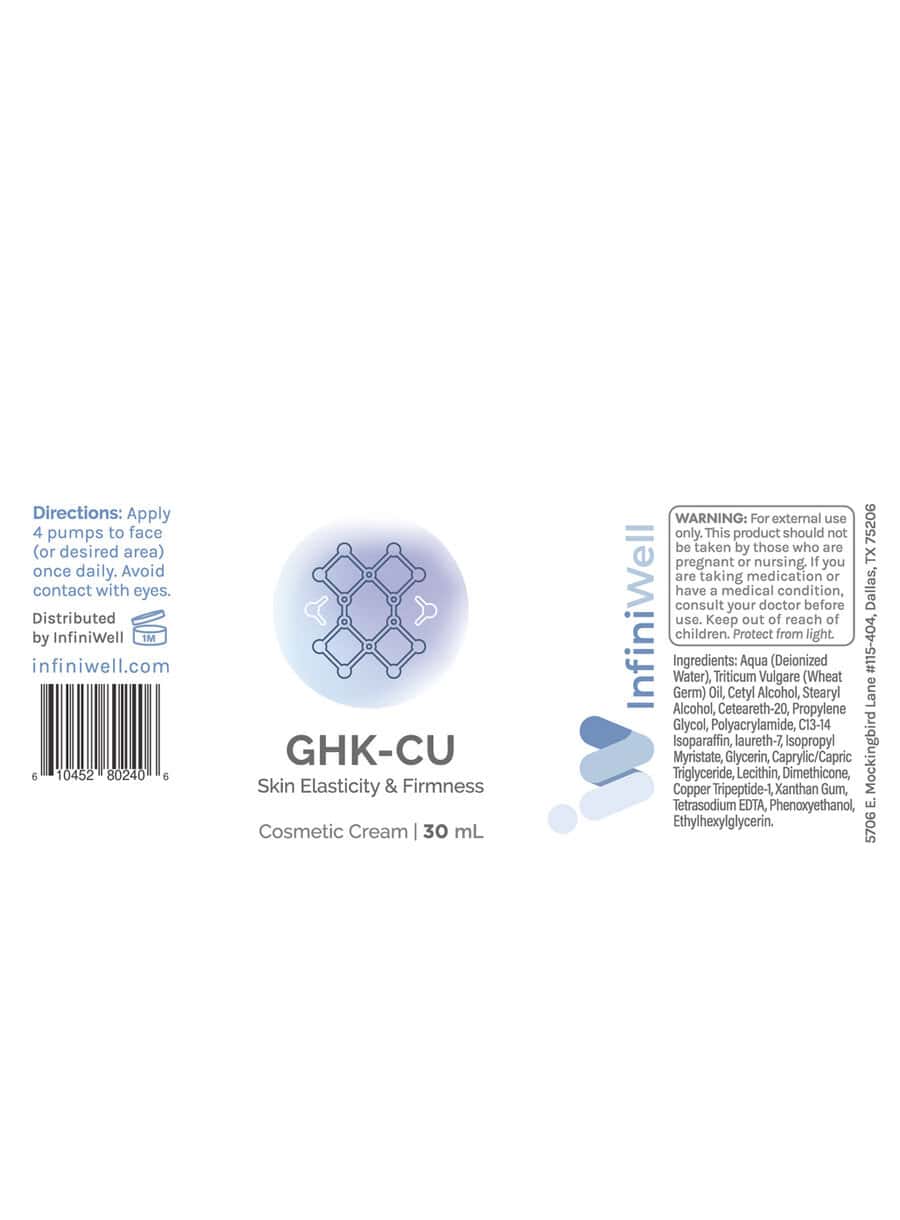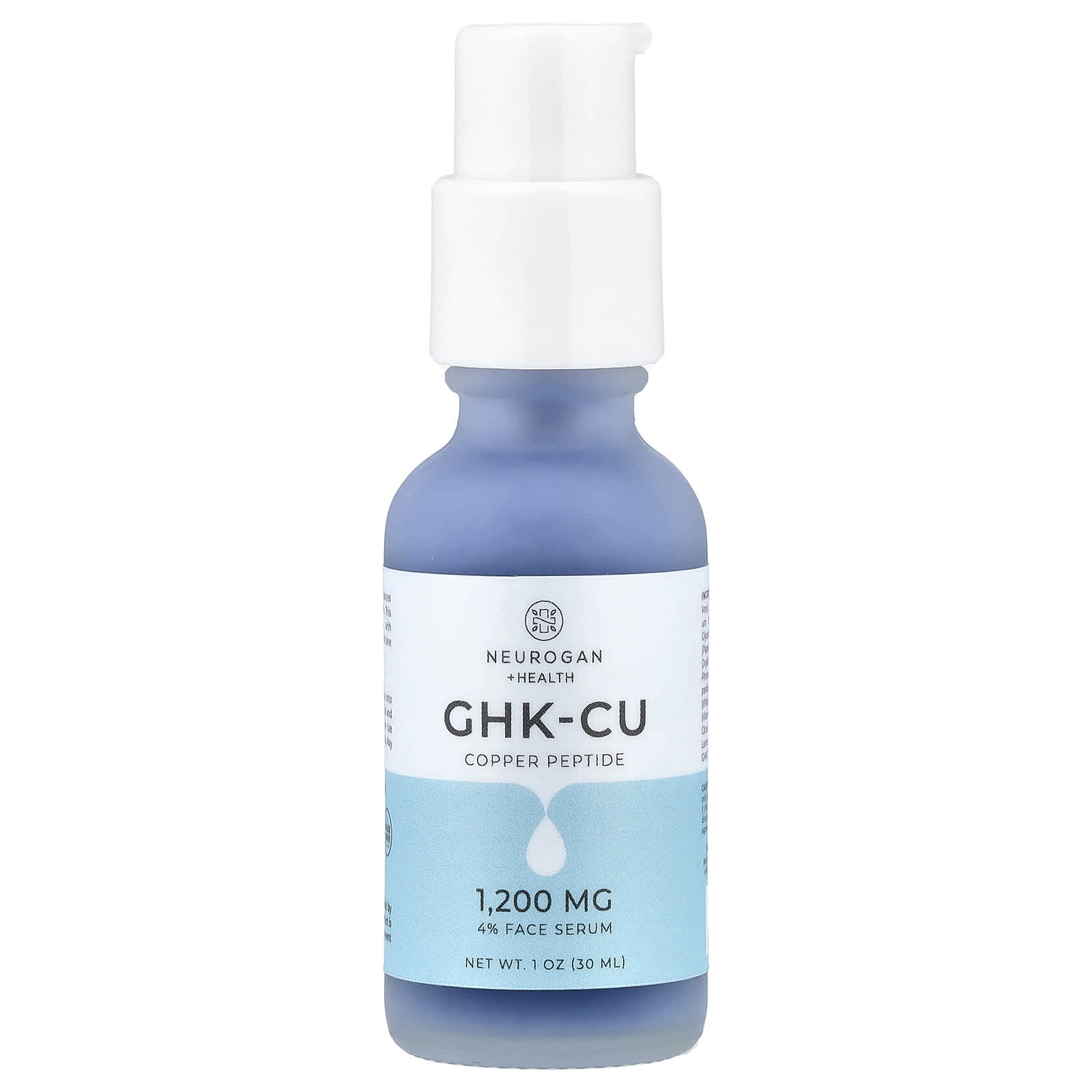
Peptides can help a wide range of patients, including those with: Crohns disease or ulcerative colitis Irritable bowel syndrome (IBS) SIBO or SIFO Leaky gut syndrome Mold illness or chronic Lyme disease Autoimmune conditions with GI involvement Long COVID with persistent GI symptoms NSAID-induced ulcers or gut permeability Sample Gut Healing Protocol (Integrative Approach) Phase 1: Reduce Inflammation and Microbial Overgrowth KPV (oral or suppository) LL-37 (subQ or intranasal) Herbal antimicrobials (berberine, oregano, neem) Mold detox (binders, nasal sprays if needed) Phase 2: Repair and Regenerate the Gut Lining BPC-157 (oral + subQ) TB-500 (subQ) GHK-Cu (topical or injectable) Collagen + L-glutamine Functional nutrition (AIP or anti-inflammatory diet) Phase 3: Rebalance and Rebuild Probiotics and prebiotics Fiber support (acacia, partially hydrolyzed guar gum) Short-chain fatty acid support (butyrate) Lifestyle: sleep, stress reduction, mindfulness Conclusion Gut healing isnt just about reducing symptomsits about restoring harmony between your immune system, microbiome, and intestinal lining

Even determining which form of the peptides should be used was unclear to regulators, since substances like TB-500 aren't recognized as official pharmaceutical ingredients in the U.S
Radiofrequency ablation: Using the endoscope, radio waves can be used to bombard the lesions with high energy
Peptides are most stable in the sterile glass vial
ReviveRX Pharmacy and its pharmacists encourages all patients to consult their licensed health care provider to discuss both the advantages and risks of various recommendations, treatments, and prescribed agents
February 2003 study A 2003 mouse study found that TB4 in a solution or gel form promoted accelerated wound healing in healthy, diabetic, and aged mice