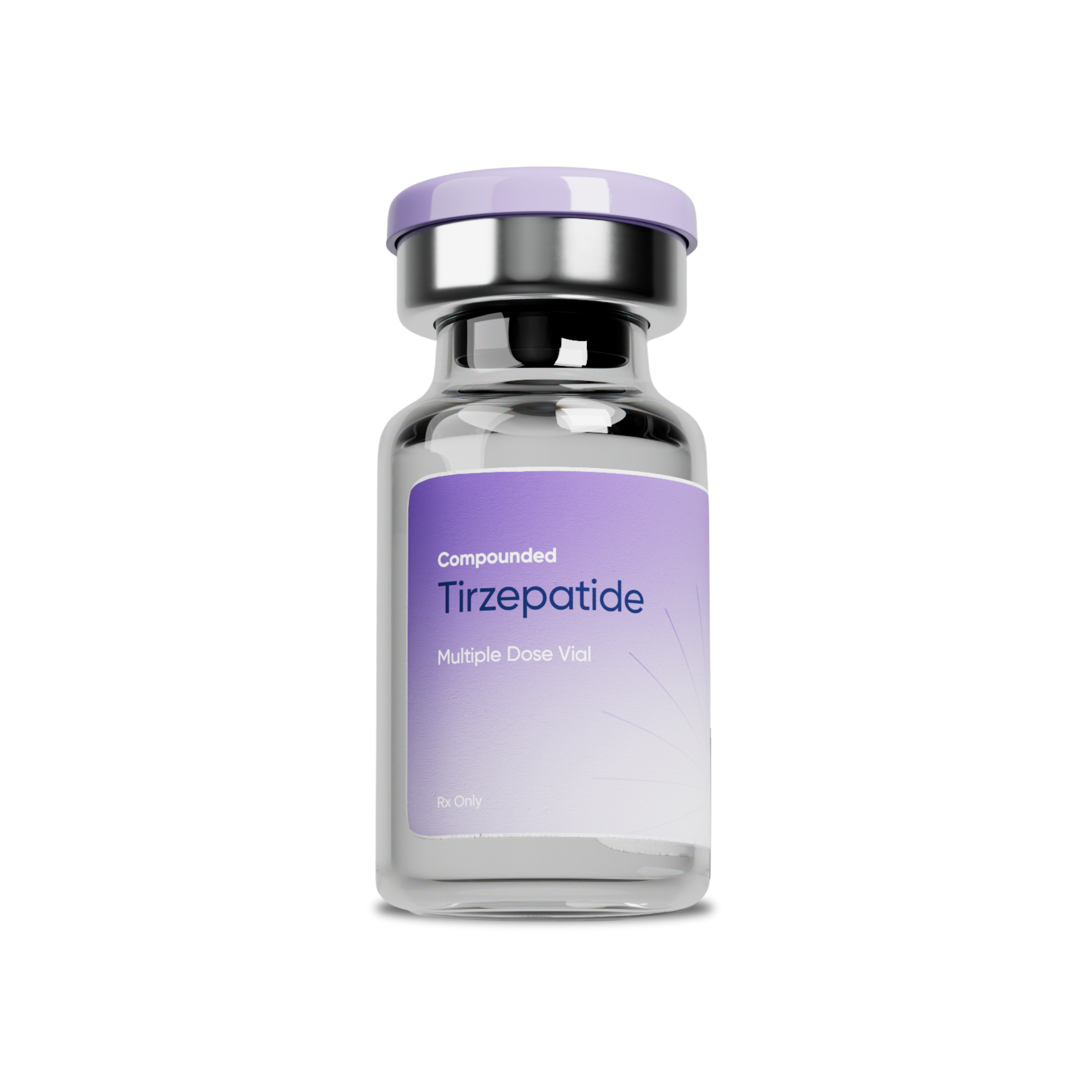
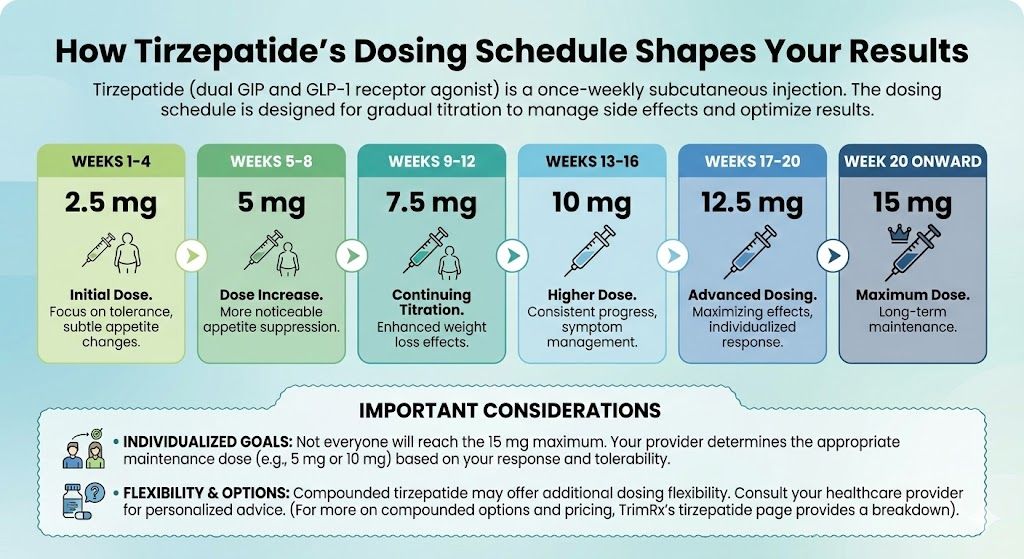

Our approach includes progressive dosing and regular monitoring to ensure safe, steady results
Second, detecting nucleotide substitutions carries a risk of misinterpreting the variant of interest as mutations induced by chemical modifications
Autism spectrum disorder level 1 is described as the highest functioning form of autism, while level 3 is the most severe

Under this Research Topic, we aim to assemble original research articles, opinion papers, reviews, and commentaries on any aspect of the biology, function, pathophysiology, and possible therapeutic potential of post-translational products of the proglucagon gene, including: Glucagon-like peptide 1 (GLP-1) Oxyntomodulin Glicentin Glucagon-like peptide 2 (GLP-2) Glucagon Glicentin-related pancreatic polypeptide (GRPP) Topics that will be covered include, but are not limited to: Tissue-specific processing by PC1/3 and PC2 Intracellular processing and secretory mechanisms Degradation by DPP-4 and other enzymes Receptor interactions, crosstalk, and biological effects Involvement in feeding, intestinal growth, and metabolic regulation Islet production of glucagon, other products of the proglucagon gene, and their role in local paracrine cellular actions Intracellular pathways mediating the signal of proglucagon-derived peptides Role in obesity, diabetes, irritable bowel syndrome, neurodegeneration, bone, and other disorders Involvement in diabetes remission induced by gastric surgery or low-calorie diets Use of stable analogs, small molecule mimetics, or secretion enhancers to convey cardioprotective effects, anti-inflammatory actions, and in the therapy of obesity diabetes and other disorders

Metabolic memory and chronic diabetes complications: potential role for epigenetic mechanisms
It involves recognizing how your body's appetite signals change, ensuring adequate nutrient intake despite reduced volume, and working with a healthcare provider to establish sustainable eating patterns that support long-term metabolic health